Nothing looks wrong. That is the risk.
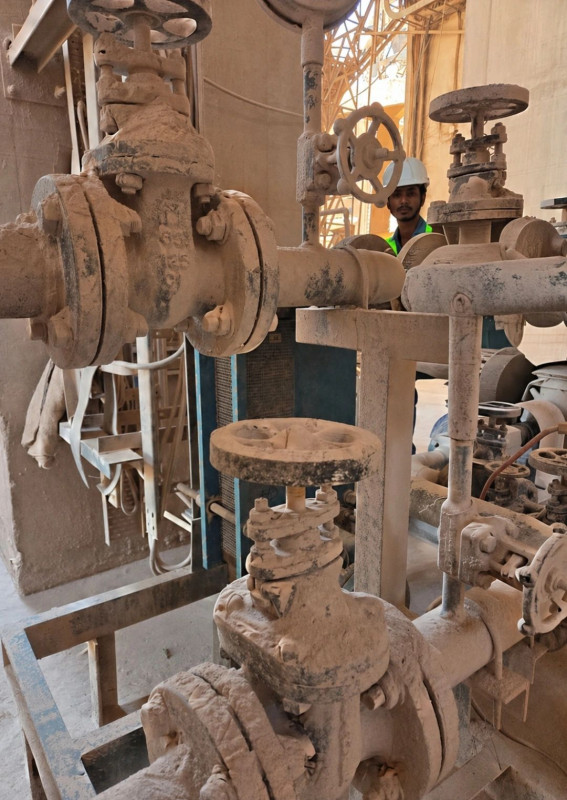
Dust settles in. Valves stay untouched. Cooling stays in the background.
Because it is treated as secondary.
The plate heat exchanger runs quietly—cooling hydraulic oil, protecting gearboxes, holding system stability. It does not demand attention. Until it stops performing.
Often ignored. Small in size, but critical in function.
In real plant conditions—especially in the cement industry—dust, load variation, and delayed maintenance are normal. Equipment is expected to perform despite this. Cooling systems are no exception.
This is where most failures begin. Not with design intent, but with real-world conditions.
A plate heat exchanger (PHE) is not just a component. It is part of system reliability. If cooling drops, oil degrades. If oil degrades, wear increases. The impact is not immediate—but it is certain.
We design our PHEs for this reality.
Not for ideal conditions. For actual plant environments—dust, load, and neglect.
Because even if it looks small, it holds what keeps the plant running.
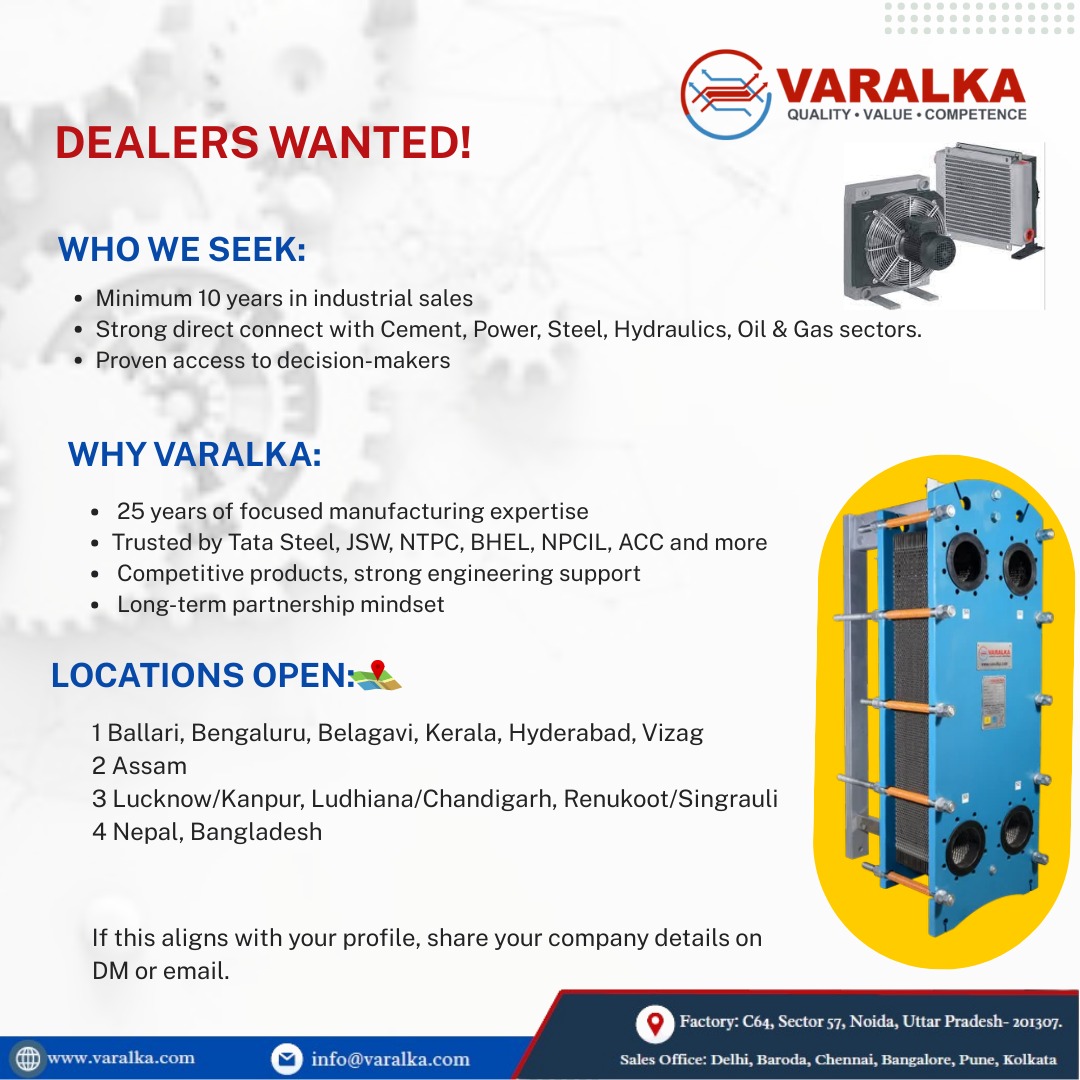
VARALKA — Desh ka apna PHE.